
Why Are Kia and Hyundai Cheaper Than Toyota in Quality Engines and Transmissions
Kia and Hyundai often feel like the smarter deal at first glance. You can usually get more features, a longer warranty, a sharper-looking cabin, and similar horsepower for less money than a comparable Toyota. That raises a fair question: if the cars look competitive on paper, why does Toyota still cost more?
The short answer is that Kia and Hyundai usually price more aggressively to win buyers, while Toyota charges for a long record of durability, resale value, and conservative engineering. The gap is not just about badges. It shows up in materials, quality control, engine design, transmission choices, and how each company balances cost against long-term reliability.
That does not mean Kia and Hyundai are low-quality cars. Modern models from both brands can be very good. But Toyota’s strengths are different, and in many cases less obvious during a test drive.

Kia and Hyundai use price as a stronger selling point
Kia and Hyundai grew in the US by offering more car for the money. That strategy still shapes how they build and sell vehicles.
They often compete by giving buyers:
More standard features at lower trims Heated seats, larger screens, driver assistance features, and upgraded styling may appear earlier in the lineup.
Longer warranty coverage The long powertrain warranty helps reduce buyer concern, especially for people comparing brands.
Bold design Kia and Hyundai tend to refresh styling quickly and make interiors look modern, even in lower-priced models.
Aggressive leasing and financing Their pricing strategy often makes monthly payments look attractive.
Toyota takes a different path. It leans on reputation. Many buyers already believe a Toyota will last a long time, cost less to repair, and hold value well. That lets Toyota charge more without loading every trim with the flashiest features.
This is a major reason behind the question, Why Are Kia and Hyundai Cheaper Than Toyota in Quality Engines and Transmissions. Toyota is not always giving you more visible equipment. In many cases, it is charging for engineering depth, long-term data, and resale confidence.
A Toyota may look plain next to a Kia or Hyundai at the same price. But Toyota often spends heavily on the things owners do not notice right away, such as supplier consistency, cooling systems, hybrid hardware, and transmission calibration.
Material quality is not only about what you can touch
Interior quality is easy to judge in a showroom. Soft-touch trim, screens, stitching, knobs, and seat fabric all shape first impressions. Kia and Hyundai are very good at this. Their interiors often look richer than the price suggests.
Toyota interiors are usually more restrained. Some models use harder plastics in places that feel less premium. Buttons may look simple. Screens may feel less flashy. But that does not always mean the materials are worse.
There are two kinds of material quality.
Visible quality | Hidden quality |
Dashboard padding | Wiring insulation |
Seat stitching | Connector sealing |
Screen size | Cooling hose quality |
Door trim texture | Suspension bushing durability |
Cabin lighting | Paint and corrosion protection |
Soft armrests | Long-term rattle resistance |
Kia and Hyundai often score well on visible quality. Toyota often focuses more on hidden quality and long-term aging.
That difference matters because a car does not fail because the dashboard looks plain. It fails when heat, vibration, moisture, and wear break down parts over time. Toyota’s reputation comes from controlling those details across millions of vehicles.
Kia and Hyundai have improved a lot. Their cabins no longer feel cheap like some older economy models did. In many new vehicles, their seats, screens, and trim can feel more upscale than Toyota’s. Still, Toyota tends to be more consistent in how materials age after years of heat, cold, and daily use.
A good way to think about it is this: Kia and Hyundai often give you more showroom appeal, while Toyota often gives you more long-term predictability.

Toyota usually has the stronger long-term engine philosophy
Toyota’s engine strategy is conservative. The company often keeps proven designs in service for many years, refining them instead of replacing them quickly. That can make Toyota feel less exciting on paper, but it helps with reliability.
Toyota engines are usually designed around:
Moderate power output Many Toyota engines are not tuned to the edge of their capacity.
Careful heat management Heat is one of the main enemies of long-term engine life.
Smooth fuel delivery Toyota often uses well-tested fuel injection strategies, including systems that combine port and direct injection on many engines.
Service tolerance Toyota engines often handle less-than-perfect maintenance better than many highly stressed designs.
Hybrid experience Toyota has decades of real-world hybrid experience, especially with engines designed to work with electric motors.
Kia and Hyundai engine design is more aggressive in some areas. Their engines often chase strong fuel economy, good power, and low cost at the same time. Many use direct injection, turbocharging, small displacement, and advanced variable valve systems. These are not bad ideas. In fact, they can work very well.
The challenge is that more complexity can create more ways for things to go wrong. Turbocharged engines run hotter and place more stress on oil. Direct-injection engines can develop intake valve deposits if the design does not manage them well. Lightweight parts help fuel economy but can reduce the margin for abuse.
Hyundai and Kia also had well-known engine reliability problems in past generations, especially with certain four-cylinder engines. Recalls and warranty extensions addressed many of those issues, but the history still affects buyer confidence. Toyota has had recalls too, but its engine reputation has been more stable over a longer period.
That does not mean every Toyota engine is perfect or every Hyundai and Kia engine is risky. The exact model year, engine family, maintenance history, and driving style matter. Still, if the question is who has the better engine design for long life, Toyota generally has the edge.
Toyota’s hybrid engines are a major advantage
Toyota’s hybrid systems deserve special attention. In many Toyota hybrids, the gasoline engine works under less stress because the electric motor helps with acceleration. The engine can shut off at idle, avoid some low-speed strain, and run in efficient operating ranges more often.
That design helps fuel economy, but it can also help durability. Toyota has built hybrid systems for a long time, and taxi fleets, rideshare drivers, and high-mileage commuters have put them through real-world punishment.
Hyundai and Kia also build hybrids and plug-in hybrids, and some are excellent. Their systems can feel more like normal automatic cars, which some drivers prefer. But Toyota’s hybrid system remains one of the most proven designs in the industry.

Transmission design may be Toyota’s biggest advantage
Transmissions are one of the clearest differences between these brands. A transmission has to manage torque, heat, shifting, friction, and software logic every time the vehicle moves. A good one disappears. A weak one becomes expensive.
Toyota has a strong record with conventional automatic transmissions and hybrid eCVT systems. Many Toyota automatics use proven designs and conservative tuning. They may not always shift the fastest, but they tend to feel smooth and predictable.
Toyota’s hybrid eCVT is especially strong. It is not a traditional belt-and-pulley CVT. It uses a planetary gearset with electric motors to blend gasoline and electric power. Fewer traditional shift events mean fewer shock loads. That design has helped Toyota hybrids earn a strong reputation for durability.
Kia and Hyundai use a wider mix of transmissions:
Traditional torque-converter automatics Often smooth and generally reliable when serviced properly.
Dual-clutch transmissions Quick shifting and efficient, but less ideal for repeated crawling in traffic.
Continuously variable transmissions Used for fuel economy, but feel and durability can vary by application.
Hybrid transmissions Designed differently from Toyota’s eCVT and often tuned to feel more conventional.
The concern is not that Hyundai and Kia transmissions are always bad. Many work well. Their conventional automatics can be very pleasant. The issue is that the brands have used more varied designs, and some have been more sensitive to driving conditions.
A dual-clutch transmission, for example, can feel sporty and efficient on the highway. In slow stop-and-go traffic, it may heat up and wear more like a manual clutch system. That does not make it defective by nature, but it makes design and cooling very important.
Toyota tends to avoid designs that create customer confusion or high warranty risk unless they have been heavily tested. That makes Toyota feel less adventurous, but it often pays off after 100,000 miles.
For transmission design, Toyota is usually the safer bet, especially in hybrids. Kia and Hyundai can be better for drivers who want sharper response or more features for the price, but Toyota usually wins on simplicity and proven durability.
Why Toyota costs more even when the spec sheet looks similar
A spec sheet can make a Kia, Hyundai, and Toyota look nearly equal. They may all have four-cylinder engines, automatic transmissions, similar safety features, and similar fuel economy. But the price includes more than equipment.
Toyota’s higher price often reflects five things.
Resale value is built into the purchase price
Toyota vehicles often hold value well. Dealers and buyers know this, so used Toyota prices stay strong. That affects new-car pricing too. Toyota does not need to discount as heavily when demand remains high.
Kia and Hyundai have improved resale value, but Toyota still carries more trust in the used market. A buyer looking at a 10-year-old Toyota may feel more confident than one looking at a similar Kia or Hyundai, even if both run well.
Toyota spends money on consistency
Toyota’s strength is not only engineering individual parts. It is building the same part the same way, thousands of times, across many factories and suppliers. That kind of consistency is hard and expensive.
Kia and Hyundai are capable manufacturers, but Toyota’s production culture has long centered on reducing defects before they reach the customer. That does not make Toyota immune to problems, but it improves the odds.
Toyota often changes slowly on purpose
Some buyers see Toyota as slow to adopt larger screens, turbo engines, or bold styling. That caution can be frustrating, but it also protects reliability. New technology adds risk. Toyota often waits until a feature or system can survive broad use before making it central to a high-volume model.
Kia and Hyundai move faster. That helps them feel fresh and competitive. It can also mean newer systems reach customers sooner, with less long-term history behind them.
Warranty changes the value equation
Hyundai and Kia offer long warranty coverage because it helps buyers trust the product. That warranty is a real benefit. It can make ownership less stressful, especially during the early and middle years.
Toyota’s warranty is usually shorter, but the brand relies more on perceived reliability. Buyers may accept less coverage because they expect fewer problems and better resale value.
Toyota buyers pay for confidence
Some of Toyota’s price premium is emotional, but that does not make it fake. Confidence has value. If a buyer believes a Toyota will start every morning, need fewer major repairs, and sell easily later, they may pay more upfront.
Kia and Hyundai price lower because they still have to compete harder for that same level of trust.
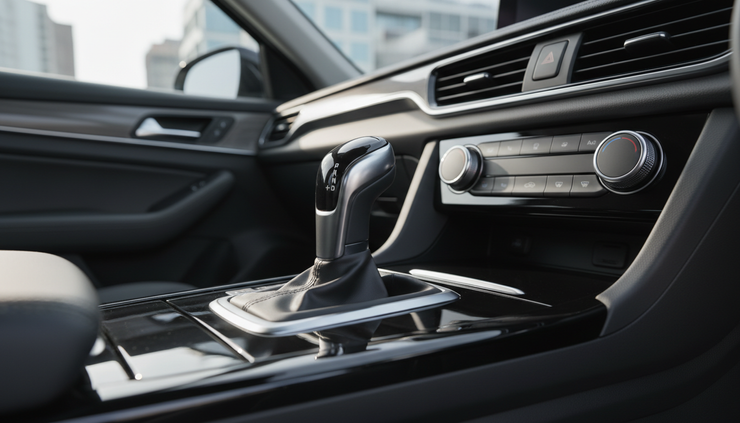
Kia and Hyundai are better in some areas
Toyota does not win every category. Kia and Hyundai can be the better choice depending on what matters most.
They often do well with:
Feature value More comfort and tech for the money.
Styling More dramatic exterior and interior design.
Warranty coverage Longer powertrain protection than many competitors.
Driving feel Some models feel sharper, quieter, or more premium than expected.
Electric vehicles Hyundai and Kia have built strong EVs with competitive charging and packaging.
For buyers who trade cars every few years, Kia and Hyundai can make a lot of sense. The lower purchase price, good features, and long warranty can outweigh Toyota’s long-term durability edge.
Toyota becomes more compelling when the plan is to keep the vehicle for a long time, drive high mileage, or minimize repair risk after the warranty ends.
So who has the better design
If the focus is engines and transmissions built for long-term reliability, Toyota usually has the better design philosophy. Its engines tend to be less stressed, its hybrid systems are highly proven, and its transmissions are often simpler or better validated over time.
If the focus is value, features, warranty, and modern feel, Kia and Hyundai often look stronger for the price. They give buyers more equipment and style without reaching Toyota pricing.
The fairest answer is this:
Category | Advantage |
Long-term engine durability | Toyota |
Hybrid system reliability | Toyota |
Transmission track record | Toyota |
Interior style for the money | Kia and Hyundai |
Standard features | Kia and Hyundai |
Warranty coverage | Kia and Hyundai |
Resale value | Toyota |
Conservative engineering | Toyota |
Fast design updates | Kia and Hyundai |
Toyota costs more because it sells trust, consistency, and long-term durability. Kia and Hyundai cost less because they compete with value, warranty, features, and faster design changes.
For a buyer choosing between them, the best question is not which brand is “better” in every way. The better question is how long the car will be kept.
For a three-to-five-year ownership period, a Kia or Hyundai can be a smart buy. For long-term ownership, high mileage, or maximum confidence in the engine and transmission, Toyota still has the stronger track record.


Comments