
Unlock Your Potential in the Automotive World with Expert Training Webinars
The automotive industry is constantly evolving, with new technologies, tools, and techniques emerging every year. Whether you are a hobbyist, a professional mechanic, or someone looking to start a career in automotive repair, staying updated is essential. Learning from experts can save you time, money, and frustration. That is why live training webinars offer a unique opportunity to gain practical skills and knowledge directly from experienced professionals.
At the-art-of-the-fix.com, we provide live webinars designed to teach everything you need to know about the automotive world. These courses are crafted to help you grow your skills efficiently and confidently. This post will explain why expert training webinars are a smart choice, what you can expect to learn, and how they can transform your approach to automotive repair.
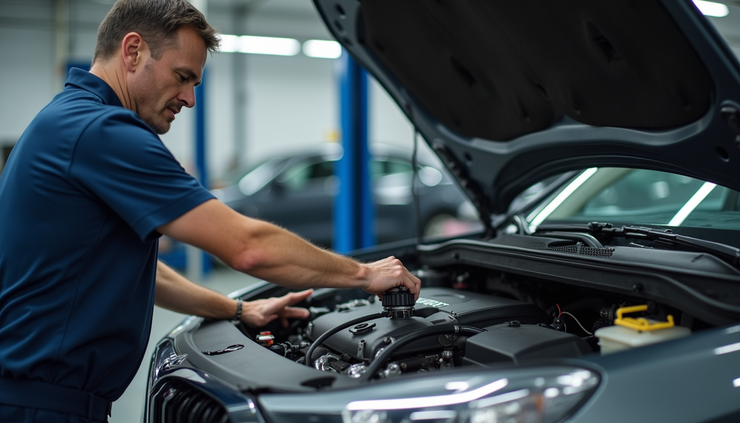
Why Choose Live Automotive Training Webinars?
Learning automotive repair can be challenging without guidance. Traditional methods like books or videos often lack interaction and personalized feedback. Live webinars fill this gap by offering:
Real-time interaction: Ask questions and get immediate answers from instructors.
Step-by-step demonstrations: Watch detailed repairs and diagnostics as they happen.
Flexible learning: Join sessions from anywhere without the need to travel.
Cost-effective training: Save money compared to in-person classes or trial-and-error learning.
Access to experts: Learn from professionals with years of hands-on experience.
These benefits make live webinars an efficient way to build your skills and confidence. You avoid common mistakes and learn best practices that save you time and money.
What You Will Learn in Our Webinars
Our courses cover a wide range of automotive topics, suitable for beginners and seasoned technicians alike. Here are some examples of what you can expect:
Basic vehicle maintenance
Learn how to perform oil changes, brake inspections, tire rotations, and fluid checks. These skills help you keep your vehicle running smoothly and avoid costly repairs.
Engine diagnostics and repair
Understand how to identify engine problems using diagnostic tools. Learn to fix common issues like misfires, overheating, and sensor failures.
Electrical systems
Explore the basics of automotive electrical circuits, battery testing, and troubleshooting lighting or starting problems.
Transmission and drivetrain
Gain knowledge about manual and automatic transmissions, clutch repairs, and drivetrain components.
Advanced troubleshooting
Develop skills to diagnose complex problems using scan tools, wiring diagrams, and technical manuals.
Each webinar includes practical demonstrations and real-world examples. For instance, you might watch a live session on replacing a faulty oxygen sensor or diagnosing a check engine light. These hands-on lessons help you apply what you learn immediately.
How to Get the Most from Your Webinar Experience
To maximize the value of your training, consider these tips:
Prepare your workspace
Have your tools and vehicle ready if you want to follow along during the session.
Take notes
Write down key points, tips, and questions to review later.
Engage actively
Don’t hesitate to ask questions or request clarifications during the live session.
Practice regularly
Apply the techniques you learn as soon as possible to reinforce your skills.
Review recordings
Many webinars offer access to recorded sessions so you can revisit complex topics.
By actively participating, you turn passive watching into a powerful learning experience.

Why This Training Saves You Time and Money
Many people attempt automotive repairs without proper knowledge, leading to costly mistakes or incomplete fixes. Our expert-led webinars help you avoid these pitfalls by:
Teaching correct procedures the first time
Showing how to use tools and equipment properly
Explaining how to identify the root cause of problems
Offering tips to extend vehicle life and improve performance
This knowledge reduces the need for repeated repairs or professional intervention. For example, learning how to diagnose a faulty alternator yourself can save hundreds of dollars in mechanic fees. Over time, the skills you gain pay for the cost of the training many times over.
Who Should Join These Webinars
Our courses are designed for a wide audience, including:
Car owners who want to perform basic maintenance and repairs
Aspiring mechanics seeking foundational knowledge and hands-on skills
Experienced technicians looking to update their expertise with the latest techniques
Automotive enthusiasts eager to deepen their understanding of vehicle systems
No matter your background, these webinars provide clear, practical instruction that fits your level and goals.
How to Subscribe and Join
Subscribing to the-art-of-the-fix.com blog and webinar series is simple. Visit the website, sign up with your email, and choose the courses that interest you. You will receive notifications about upcoming live sessions and access to exclusive content.
Joining live webinars is easy with just a computer or mobile device and an internet connection. You can learn from home, your garage, or anywhere convenient.
Learning automotive repair through expert training webinars is a smart investment in your skills and confidence. These sessions offer practical knowledge, real-time support, and cost savings that traditional learning methods cannot match. Whether you want to save money on repairs, start a new career, or simply enjoy working on cars, this training will unlock your potential.


Comments