
The Untold Truth Behind Cheap Toyota Trucks Not Allowed in the US Market
Toyota is a brand known worldwide for its reliable and affordable vehicles. Yet, many Toyota trucks that are popular and cheap in other countries never make it to the US market. This raises questions: Why does the US restrict certain vehicles? Would allowing these trucks disrupt the US truck market? Is it the influence of big companies or government policies that shape these decisions? This article explores the complex reasons behind the absence of some affordable Toyota trucks in the US and what it means for consumers and the industry.

Why Some Toyota Trucks Are Not Allowed in the US
The US has strict regulations for vehicles entering its market. These rules cover safety, emissions, and other standards designed to protect consumers and the environment. Many Toyota trucks sold cheaply in other countries do not meet these standards.
Safety Standards
The US requires vehicles to pass rigorous crash tests and have specific safety features such as airbags, electronic stability control, and advanced braking systems. Some Toyota trucks made for other markets lack these features or do not meet crash test requirements. This makes them illegal for sale in the US.
Emissions Regulations
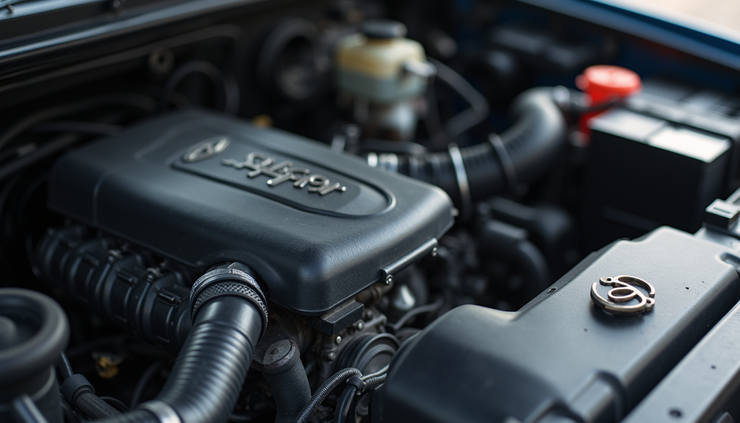
The Environmental Protection Agency (EPA) enforces strict emissions limits. Trucks that do not meet these limits cannot be sold in the US. Many affordable Toyota trucks in other countries use older engines or fuel systems that produce higher emissions. Updating these trucks to meet US standards would increase costs, making them less cheap.
Import Restrictions and Compliance Costs
Even if a vehicle meets safety and emissions standards, it must comply with other regulations such as lighting, tires, and labeling. Importing vehicles that do not fully comply can be expensive and complicated. This discourages manufacturers from bringing certain models to the US.
Would Allowing These Trucks Destroy the US Truck Market?
Some argue that allowing cheap Toyota trucks into the US would shake up the market by offering affordable alternatives to popular American trucks. But the reality is more nuanced.
Impact on Domestic Brands
US truck brands like Ford, Chevrolet, and Ram dominate the market with large, powerful trucks. Many buyers prefer these for towing, hauling, and off-road capabilities. Cheap Toyota trucks often focus on smaller size and fuel efficiency rather than raw power. They would appeal to a different segment rather than directly compete with big American trucks.
Consumer Choice and Market Diversity
Allowing more affordable trucks could increase consumer choice and pressure domestic brands to innovate and lower prices. However, the US market has shown a strong preference for larger trucks and SUVs, which limits the demand for smaller, cheaper models.
Potential Market Challenges
If cheap trucks flooded the market, it could create challenges such as:
Reduced profit margins for domestic manufacturers
Increased competition for parts and service networks
Possible shifts in insurance and safety standards
Still, these challenges would not necessarily destroy the market but could lead to changes in how trucks are designed and sold.
Who Controls Which Vehicles Enter the US Market?
The decision to allow or restrict vehicles involves multiple players, including government agencies and industry stakeholders.
Government Agencies
The National Highway Traffic Safety Administration (NHTSA) and the EPA set and enforce vehicle standards. Their role is to protect public safety and the environment. These agencies require manufacturers to certify that vehicles meet all regulations before they can be sold.
Influence of Big Companies
Large automakers have significant influence through lobbying and industry groups. They may push for regulations that favor their products or create barriers for foreign competitors. This can slow or prevent the entry of cheaper vehicles that might disrupt their market share.
Trade Policies and Tariffs
Trade agreements and tariffs also affect vehicle imports. High tariffs on trucks from certain countries can make them less competitive in the US market. These policies are often influenced by political and economic considerations beyond just vehicle safety or emissions.
Why Does the US Only Let Certain Vehicles In?
The US market is unique in its size, consumer preferences, and regulatory environment. Several factors explain why only certain vehicles are allowed.
Consumer Preferences
American consumers tend to favor larger trucks with high towing capacity and comfort features. Vehicles that do not meet these expectations may struggle to find buyers, reducing the incentive for manufacturers to import them.
Regulatory Complexity
The US has one of the most complex vehicle regulatory systems in the world. Meeting all requirements can be costly and time-consuming, especially for smaller or foreign manufacturers. This limits the variety of vehicles available.
Market Protection
Some argue that regulations and tariffs act as protectionist measures to support domestic automakers. While safety and environmental standards are legitimate goals, they can also serve to limit competition from cheaper imports.
Manufacturer Strategies
Toyota and other companies tailor their product lines to each market. They may choose not to sell certain models in the US because they do not fit the market profile or would require expensive modifications.
Examples of Toyota Trucks Not Allowed in the US
Several Toyota trucks popular in other countries are missing from the US market.
Toyota Hilux: Known worldwide for durability and affordability, the Hilux is not sold in the US. It lacks some US safety and emissions features and competes with Toyota’s Tacoma, which is designed specifically for the US market.
Toyota Land Cruiser Pickup: Available in regions like Australia and Africa, this rugged truck is not offered in the US due to emissions and safety regulations.
Toyota Tacoma Variants: Some cheaper or older versions of the Tacoma are not sold in the US because they do not meet current standards.
These examples show how Toyota adapts its offerings based on market demands and regulations.

What This Means for Consumers
For US consumers, the absence of cheap Toyota trucks means fewer affordable options in the truck segment. Buyers often pay a premium for trucks that meet US standards and preferences.
Alternatives and Options
Consumers looking for affordable trucks can consider:
Used trucks that meet US standards
Smaller trucks like the Toyota Tacoma or Nissan Frontier
Compact pickups from other manufacturers
Potential Changes Ahead
As emissions regulations tighten and consumer preferences evolve, the US market may see more diverse truck options. Electric trucks and smaller, efficient models could change the landscape.
Final Thoughts
The reasons cheap Toyota trucks are not allowed in the US market are complex and involve safety, emissions, consumer preferences, and economic factors. While government regulations play a major role, industry influence and market strategies also shape what vehicles are available. Allowing these trucks could increase choice but would also bring challenges to the established truck market.


Comments