
The Importance of Car Repair Skills in an Era of Rising Prices and Technician Shortages
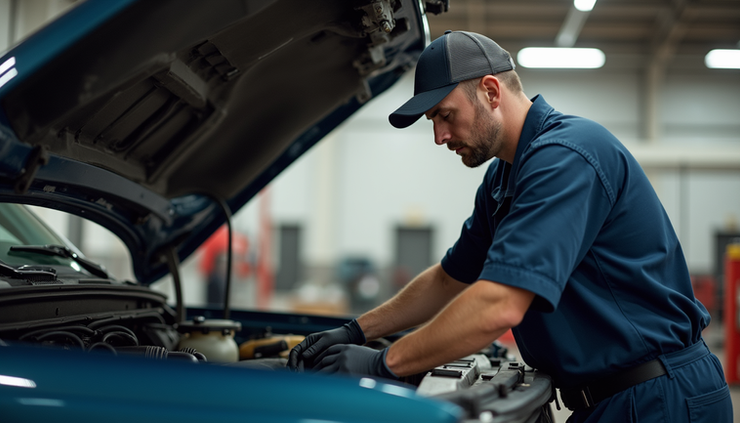
Owning a vehicle today comes with challenges that go beyond just driving. With prices rising across the board, from parts to labor, knowing how to fix your own car has become more valuable than ever. At the same time, the shortage of skilled automotive technicians makes it harder to find reliable help, no matter the brand—from Ford to Chrysler. This shortage means longer wait times and higher repair costs. For many, learning basic car repair skills is no longer just a hobby but a necessity. This post explores why these skills matter, what vehicles to consider buying, and practical tips for maintaining your car in today’s market.
Why Car Repair Skills Matter More Than Ever
The cost of vehicle repairs has increased significantly in recent years. Parts are more expensive, and labor rates have climbed due to the shortage of qualified automotive technicians. According to the U.S. Bureau of Labor Statistics, the demand for automotive service technicians is expected to grow by 6% from 2022 to 2032, but the supply is not keeping pace. This gap means fewer mechanics are available, and those who are can charge premium rates.
For car owners, this situation creates several problems:
Higher repair bills that strain budgets.
Longer wait times for appointments, sometimes stretching weeks.
Difficulty finding trustworthy mechanics who specialize in specific brands or models.
Learning to perform basic repairs and maintenance can save money and reduce dependence on scarce professionals. Simple tasks like changing brake pads, replacing filters, or diagnosing minor engine issues can keep a vehicle running longer and avoid costly breakdowns.
Choosing the Right Vehicle to Maintain Yourself
Not all vehicles are equally easy to repair. Some modern cars have complex electronics and require specialized diagnostic tools, making DIY repairs difficult. Older models, especially trucks, often have simpler mechanical systems that are easier to understand and fix.
A good example is the 2003 Chevy Silverado. This truck is known for its straightforward design and durable components. Many owners find it easier to work on compared to newer models with advanced computer systems. Parts are often more affordable and widely available, and there is a large community of enthusiasts who share repair tips and guides.
When selecting a vehicle with repairability in mind, consider:
Simplicity of design: Older models with fewer electronic components.
Availability of parts: Common models with aftermarket support.
Community support: Vehicles with active forums and repair guides.
Durability: Trucks and cars known for long-lasting engines and frames.
By choosing a vehicle that is easier to maintain, owners can reduce repair costs and extend the life of their investment.
Basic Car Repair Skills Every Owner Should Know
Learning car repair does not mean becoming a professional mechanic overnight. Start with essential skills that can make a big difference:
Changing oil and filters: Regular oil changes keep the engine healthy and prevent costly damage.
Replacing brake pads and rotors: Brakes are critical for safety and wear out over time.
Checking and replacing belts and hoses: These parts wear down and can cause engine failure if ignored.
Changing spark plugs: Improves engine performance and fuel efficiency.
Diagnosing battery and electrical issues: Knowing how to test and replace a battery can prevent being stranded.
Tire maintenance: Rotating tires and checking pressure improves safety and tire life.
Many resources are available online, including video tutorials and step-by-step guides. Investing in a good repair manual for your specific vehicle model is also helpful.
How to Find Reliable Help When Needed
Even with repair skills, some issues require professional attention. Finding a good mechanic is challenging but possible with these tips:
Ask for recommendations from friends, family, or local car clubs.
Check online reviews on trusted platforms like Google or Yelp.
Look for certifications such as ASE (Automotive Service Excellence).
Visit the shop to check cleanliness, equipment, and professionalism.
Get multiple quotes for major repairs to compare prices.
Building a relationship with a trustworthy mechanic can save time and money in the long run.
The Financial Benefits of DIY Car Repair
Taking on some repairs yourself can lead to significant savings. For example:
Changing brake pads yourself can save $150 to $300 compared to a shop.
Doing oil changes at home costs around $30 to $50 versus $70 to $100 at a service center.
Replacing spark plugs can save $100 or more in labor fees.
Besides saving money, DIY repairs give you control over the quality of parts used and the timing of maintenance. This control helps avoid rushed or unnecessary repairs.
Staying Safe While Repairing Your Vehicle
Safety is crucial when working on cars. Follow these guidelines:
Use proper tools designed for automotive work.
Work in a well-ventilated, well-lit area.
Wear safety glasses and gloves.
Secure the vehicle with jack stands when working underneath.
Disconnect the battery before electrical repairs.
Follow instructions carefully and do not attempt repairs beyond your skill level.
If unsure, consult a professional to avoid injury or damage.

Final Thoughts on Car Repair Skills Today
Rising prices and a shortage of automotive technicians make car repair skills more important than ever. Knowing how to maintain and fix your vehicle can save money, reduce stress, and extend the life of your car or truck. Choosing a vehicle like the 2003 Chevy Silverado, which is easier to repair, adds to these benefits.


Comments