
The Future of Mitsubishi: Financial Challenges and the Evolution of Their Cars and SUVs
Mitsubishi has been a recognizable name in the automotive world for decades, known for producing a range of cars, SUVs, and trucks. Yet, questions about the brand’s current financial health and the quality of its vehicles have become more common. Are they facing financial trouble? How do their cars and trucks stand up today? What is the best Mitsubishi vehicle on the market? And can the brand ever rise to the top again? This post explores these questions, offering a clear look at Mitsubishi’s present situation and what lies ahead.

Mitsubishi’s Financial Situation Today
Mitsubishi Motors has faced financial ups and downs over the past decade. Once a major player in the global car market, the company struggled with declining sales and stiff competition. The brand’s financial challenges stemmed from several factors:
Global competition: Brands like Toyota, Honda, and Hyundai have dominated many markets with strong product lineups and aggressive pricing.
Recall issues: Mitsubishi faced recalls that hurt its reputation and sales.
Limited product range: For some years, Mitsubishi’s lineup lacked variety and innovation, making it harder to attract new buyers.
Despite these challenges, Mitsubishi is part of the Renault-Nissan-Mitsubishi Alliance, which provides financial stability and shared technology. This partnership has helped Mitsubishi avoid deeper financial trouble and focus on rebuilding its brand.
Recent financial reports show Mitsubishi is stabilizing but not yet booming. The company is investing in electric vehicles (EVs) and SUVs, which are growing segments worldwide. This shift is crucial for Mitsubishi’s future success.
How Good Are Mitsubishi Cars and Trucks?
Mitsubishi’s reputation for reliability and performance has varied depending on the model and market. Here’s a breakdown of their current lineup:
Cars
Mitsubishi’s passenger cars have often been praised for affordability and fuel efficiency but criticized for lacking advanced features and refinement compared to rivals. The Mitsubishi Mirage is a popular compact car known for its low price and excellent fuel economy. However, it falls short in power and interior quality.
The Mitsubishi Lancer, once a sporty favorite, was discontinued in many markets due to declining sales and outdated design.
SUVs
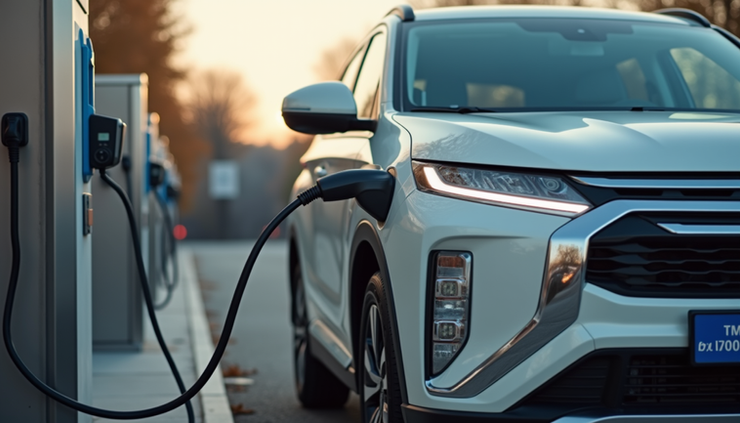
SUVs have become Mitsubishi’s strongest segment. The Outlander and Outlander PHEV (plug-in hybrid) are well-regarded for their spacious interiors, safety features, and hybrid technology. The Outlander PHEV is one of the first plug-in hybrid SUVs, offering a good balance of electric and gasoline power.
The Eclipse Cross is a compact SUV that appeals to younger buyers with its sporty styling and modern tech, though it faces tough competition.
Trucks
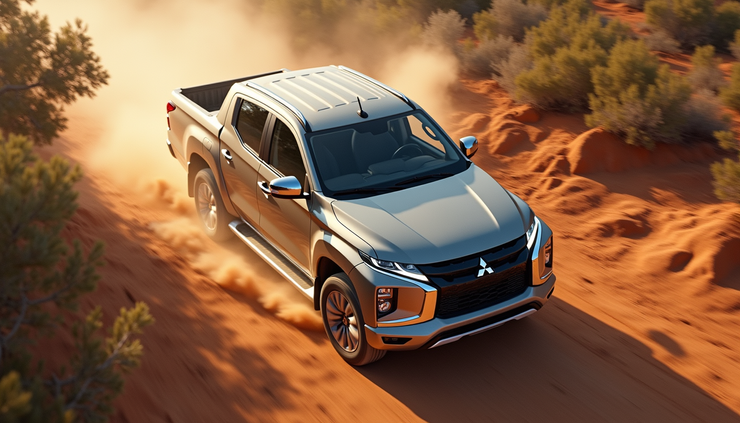
Mitsubishi’s pickup truck, the Triton (also known as L200 in some markets), is popular in Asia, Australia, and parts of Europe. It is praised for durability, off-road capability, and value. However, it is less known in North America, where trucks from Ford, Chevrolet, and Ram dominate.
Overall, Mitsubishi vehicles offer solid value but often lag behind in innovation and luxury compared to top competitors.
The Best Mitsubishi Vehicle Today
Choosing the best Mitsubishi depends on what you need. For most buyers, the Mitsubishi Outlander PHEV stands out as the brand’s flagship model. It combines:
Efficient hybrid powertrain
Spacious seating for seven
Advanced safety features
Competitive pricing
This SUV represents Mitsubishi’s push toward greener technology and family-friendly vehicles. It is a practical choice for those wanting an eco-friendly SUV without a high price tag.
For truck enthusiasts, the Triton remains the best option, especially for those needing a reliable workhorse with off-road skills.
Mitsubishi SUVs and Trucks Compared to Competitors
Mitsubishi’s SUVs and trucks compete in crowded markets. Here’s how they stack up:
SUVs: The Outlander and Eclipse Cross offer good value but face strong rivals like the Toyota RAV4, Honda CR-V, and Mazda CX-5. These competitors often provide better fuel economy, more features, and stronger resale values.
Trucks: The Triton is tough and affordable but less advanced than Ford Ranger or Toyota Hilux in some regions. It appeals mostly to buyers focused on durability over luxury.
Mitsubishi’s focus on hybrid and electric SUVs could give it an edge as demand grows for greener vehicles. Still, the brand needs to improve technology and design to compete with leaders.
Will Mitsubishi Ever Reach the Top Again?
Mitsubishi’s future depends on several factors:
Innovation: Investing in electric and hybrid technology is key. The Outlander PHEV is a good start, but more models are needed.
Product quality: Improving interior quality, driving experience, and tech features will attract more buyers.
Global strategy: Expanding in growing markets like Southeast Asia and focusing on SUVs and trucks can boost sales.
Brand image: Overcoming past recall issues and building a reputation for reliability and modern design is essential.
While Mitsubishi may not become the top global automaker soon, it can carve out a strong niche. The company’s alliance with Renault and Nissan provides resources to develop new models and technologies.
Mitsubishi’s focus on SUVs and electrification aligns with market trends, giving it a chance to grow steadily. The brand’s challenge is to keep pace with rapid changes in the auto industry and meet rising customer expectations.


Comments