
The Future of Auto Industry: Which Major Brands Might Face Bankruptcy and the Rise of Hybrids
The auto industry is at a crossroads. Traditional giants like Ford, Chevrolet, and Chrysler face mounting pressure from shifting consumer preferences, tightening regulations, and the rapid rise of electric vehicles (EVs). Meanwhile, Japanese automaker Nissan struggles to keep pace with innovation and market demands. The question on many minds is: which companies are more likely to go bankrupt? What will happen to the competition as the EV market evolves? And could hybrids become the dominant technology instead of full electric vehicles?
This post explores these questions, examining the financial health of major automakers, the challenges of EV adoption, and the potential future role of hybrids in the global market.

Financial Challenges Facing Traditional Auto Giants
Ford, Chevrolet (General Motors), and Chrysler (now part of Stellantis) have long been pillars of the American auto industry. However, these companies face several challenges that put their financial stability at risk:
Legacy Costs: High pension and healthcare obligations for retired workers weigh heavily on their balance sheets.
Slow EV Transition: Compared to newer entrants like Tesla, these companies have been slower to develop competitive electric vehicles.
Changing Consumer Preferences: Demand is shifting away from sedans and traditional SUVs toward electric and hybrid models.
Supply Chain Issues: Ongoing semiconductor shortages and rising raw material costs have disrupted production and increased expenses.
Despite these hurdles, outright bankruptcy seems unlikely for Ford, Chevrolet, or Chrysler in the near term. These companies have strong brand loyalty, extensive dealer networks, and significant cash reserves. They are also investing heavily in EV and hybrid technology to catch up. For example, Ford’s Mustang Mach-E and upcoming electric F-150 Lightning show commitment to electrification.
Still, if these companies fail to execute their transition plans effectively, they could face severe financial strain. Poor sales, rising costs, and missed market opportunities could push them toward bankruptcy or forced restructuring within the next decade.
Nissan’s Struggle and Bankruptcy Risks
Nissan has faced a more precarious situation. Once a global leader in electric vehicles with the Nissan Leaf, the company has stumbled in recent years due to:
Leadership Turmoil: Executive scandals and management changes have hurt strategic focus.
Weak Product Lineup: Nissan’s newer models have struggled to excite consumers compared to competitors.
Profit Declines: The company has reported losses and shrinking margins amid rising costs and weak sales.
EV Competition: Nissan’s EV offerings lag behind newer, more advanced models from Tesla, Hyundai, and others.
These factors increase Nissan’s bankruptcy risk more than the American giants. The company needs a clear turnaround strategy focused on innovation and cost control. If Nissan cannot regain market share or improve profitability, bankruptcy or a major restructuring could be possible within the next five years.
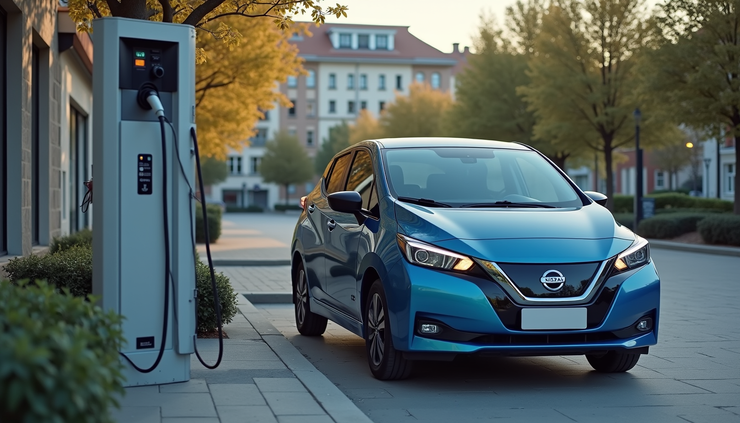
The EV Market and the Risk of Failure
Electric vehicles have captured the imagination of consumers and governments worldwide. Yet, the EV market faces significant risks that could lead to failures among some players:
High Development Costs: Building EVs requires massive investment in new technology, batteries, and manufacturing processes.
Battery Supply Constraints: Limited access to raw materials like lithium and cobalt could slow production.
Charging Infrastructure: Insufficient public charging networks limit consumer adoption, especially in rural areas.
Consumer Hesitancy: Concerns about range, cost, and resale value still deter many buyers.
Competition Intensity: The market is crowded with startups and established automakers racing to launch new models.
Some EV startups have already failed or been acquired due to these challenges. Even established automakers risk losses if their EV models do not meet consumer expectations or if supply chain issues persist. The EV market’s rapid growth does not guarantee success for all players.
What Will Happen to the Competition?
The competition in the auto industry will intensify as companies vie for dominance in electric and hybrid vehicles. Key trends include:
Consolidation: Smaller or weaker companies may merge or be acquired by larger players to survive.
Focus on Innovation: Automakers investing in battery technology, autonomous driving, and connected cars will gain an edge.
Global Market Shifts: China’s dominance in EV production and sales will influence global competition.
Regulatory Pressure: Stricter emissions standards will force companies to accelerate electrification.
Traditional automakers that adapt quickly and invest wisely will remain competitive. Those that lag risk losing market share or facing financial distress.

The Rise of Hybrids and Their Future Role
Hybrids combine internal combustion engines with electric motors, offering a middle ground between traditional gasoline vehicles and full EVs. They have several advantages:
Lower Emissions: Hybrids reduce fuel consumption and emissions without relying solely on electric power.
No Range Anxiety: Drivers do not worry about running out of battery charge on long trips.
Lower Cost: Hybrids are generally cheaper than full EVs and require less charging infrastructure.
Easier Transition: Consumers and manufacturers can adapt gradually to electrification.
Given the challenges facing full EV adoption, hybrids could become the dominant technology for many years, especially in regions with limited charging infrastructure. Automakers like Toyota have long championed hybrids with models like the Prius, and this strategy may pay off as the market evolves.
Hybrids may also serve as a bridge technology, helping companies and consumers transition while battery technology improves and charging networks expand.
What Consumers Should Watch For
Consumers interested in the future of the auto industry should consider:
Brand Stability: Choose automakers with clear EV and hybrid strategies and strong financial health.
Technology Readiness: Look for vehicles with proven battery life, charging options, and safety features.
Government Incentives: Take advantage of subsidies and tax credits for electric and hybrid vehicles.
Long-Term Costs: Consider maintenance, fuel savings, and resale value when comparing EVs, hybrids, and gasoline cars.
Understanding these factors will help buyers make informed decisions as the market shifts.


Comments