
The Financial Freedom of Owning Multiple Used Cars Over One New Vehicle
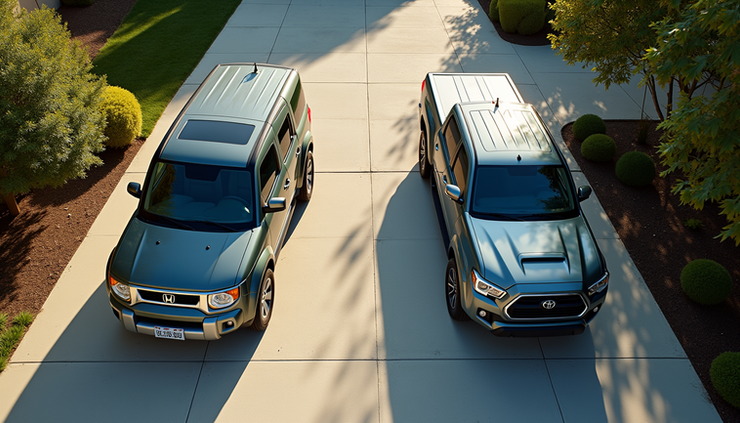
When faced with the choice between buying one new car or several used ones, many people instinctively lean toward the new vehicle. The allure of a shiny, untouched car with the latest features is strong. But what if owning multiple used cars could offer you more financial freedom and security? Spending $30,000 or $20,000 at a dealership might seem like a straightforward decision, but spreading that money across two or three reliable used vehicles can provide significant advantages. This post explores why owning multiple used cars, such as a 2007 Toyota 4Runner, a Honda Element, or even a 2005 Toyota Tacoma, can be a smarter financial move than purchasing a single new car.

Why Multiple Used Cars Make Financial Sense
Buying a new car often means taking on a large loan or using a significant portion of your savings. New cars lose value quickly, with depreciation rates of about 20% to 30% in the first year alone. This rapid loss means you are paying a premium for a vehicle that will be worth much less almost immediately.
In contrast, used cars have already gone through the steepest depreciation. When you buy a used vehicle, especially one that is 10 to 15 years old but well-maintained, you pay a price closer to its actual market value. This means your investment holds better over time.
By purchasing multiple used cars, you spread your risk. If one car needs repairs or maintenance, you still have others to rely on. This flexibility is especially valuable if the economy takes a downturn or if unexpected expenses arise.
Examples of Reliable Used Vehicles
Certain used vehicles stand out for their durability and low maintenance costs. Here are three examples that fit well into a strategy of owning multiple used cars:
2007 Toyota 4Runner
Known for its rugged build and off-road capability, the 4Runner holds its value well and can last for hundreds of thousands of miles with proper care.
Honda Element
This versatile compact SUV offers practical cargo space and a reliable engine. Its unique design and solid reputation make it a smart used buy.
2005 Toyota Tacoma
The Tacoma is famous for its toughness and longevity. It’s a favorite among those who need a dependable pickup truck that won’t break the bank.
Owning any combination of these vehicles means you have a range of options for different needs, whether it’s hauling gear, commuting, or weekend adventures.
Benefits of Owning Multiple Used Cars
No Debt Burden
When you buy used cars outright or with minimal financing, you avoid the heavy debt load that comes with new car loans. Being debt-free gives you peace of mind and more control over your finances.
Lower Insurance Costs
Used cars generally cost less to insure than new ones. Having multiple used vehicles can sometimes lower your overall insurance expenses compared to insuring a single new car with a higher value.
Flexibility and Backup
If one car breaks down, you have others to use. This reduces the risk of being stranded or needing costly rentals. It also allows you to rotate usage, potentially extending the life of each vehicle.
Better Position During Economic Uncertainty
If the economy worsens, having multiple paid-off vehicles means you are less vulnerable to financial shocks. You won’t have monthly car payments to worry about, and you can sell one vehicle if needed without losing transportation entirely.
How to Choose and Maintain Multiple Used Cars
Research and Inspection
Before buying, research the vehicle’s history and common issues. Use services like Carfax or AutoCheck to check for accidents or title problems. Always get a trusted mechanic to inspect the car before purchase.
Prioritize Reliability and Maintenance Records
Look for cars with a history of regular maintenance. Vehicles like the Toyota 4Runner and Tacoma are known for their reliability, but only if they have been cared for properly.
Budget for Repairs and Upkeep
Used cars may require more maintenance than new ones. Set aside a maintenance fund to cover routine repairs, tires, and unexpected fixes. This proactive approach keeps your cars running longer.
Balance Your Needs
Choose vehicles that cover different uses. For example, a 4Runner for rugged trips, a Honda Element for daily errands, and a Tacoma for hauling. This balance maximizes the value of owning multiple cars.
Financial Impact Compared to One New Car
Imagine you have $30,000 to spend. You could buy one new car, but it will lose value quickly and come with higher insurance and financing costs. Alternatively, you could buy:
A 2007 Toyota 4Runner for around $10,000
A 2005 Toyota Tacoma for about $8,000
A Honda Element for roughly $7,000
This totals $25,000, leaving some money for maintenance or upgrades. All three vehicles are paid off, so you avoid monthly payments. You also have three reliable cars to use, reducing the risk of being without transportation.
This approach offers more flexibility, less financial stress, and better protection against economic uncertainty.

Final Thoughts on Owning Multiple Used Cars
Choosing to own multiple used cars instead of one new vehicle can provide greater financial freedom and security. You avoid debt, reduce depreciation losses, and gain flexibility in your transportation options. Vehicles like the Toyota 4Runner, Honda Element, and Toyota Tacoma offer proven reliability and value.


Comments