
Nissan Xterra vs Toyota 4Runner Which SUV is the Better Investment for Longevity and Performance?
Choosing the right SUV can be a tough decision, especially when comparing two popular models like the Nissan Xterra and the Toyota 4Runner. Both vehicles have earned reputations for durability and off-road capability, but which one stands out as the better investment for longevity and performance? This post breaks down key aspects such as engine reliability, transmission, maintenance costs, and overall value to help you decide.

How Long Will the Nissan Xterra Last?
The Nissan Xterra is known for its rugged build and off-road readiness. Many owners report their Xterras lasting well beyond 200,000 miles with proper maintenance. The body-on-frame construction and durable suspension components contribute to its longevity. However, the Xterra was discontinued after the 2015 model year, which means finding parts for older models might become more challenging over time.
Factors that influence the Xterra’s lifespan include:
Regular oil changes and fluid checks
Timely replacement of wear items like brakes and suspension parts
Avoiding extreme off-road abuse without maintenance afterward
With these practices, the Xterra can serve as a reliable daily driver and weekend adventurer for many years.
The 4.0-Liter Engine and Transmission in the Xterra
One of the Xterra’s highlights is its 4.0-liter V6 engine, known as the VQ40DE. This engine delivers around 265 horsepower and 288 lb-ft of torque, providing solid power for both highway driving and off-road challenges. The VQ series engines have a reputation for smooth operation and durability when maintained properly.
The Xterra typically pairs this engine with either a 5-speed manual or a 5-speed automatic transmission. Both options are generally reliable, but the automatic transmission is more common and easier to live with for daily driving. Some owners have reported transmission issues after high mileage, but these are not widespread.
Key points about the 4.0 engine and transmission:
The VQ40DE engine is robust and responsive
Manual transmission offers more control but less convenience
Automatic transmission is reliable with regular fluid changes
Engine parts are widely available due to the engine’s use in other Nissan models
Maintenance Costs for the Nissan Xterra
Maintenance on the Xterra is generally affordable compared to other SUVs in its class. Routine services like oil changes, brake pads, and tire rotations are straightforward and don’t require expensive parts. However, some components such as the timing chain and water pump can be costly if they need replacement after high mileage.
Typical maintenance costs include:
Oil change: $50 to $70
Brake pads replacement: $150 to $300 per axle
Timing chain service (if needed): $800 to $1,200
Suspension repairs (bushings, shocks): $300 to $700
Overall, the Xterra’s maintenance costs are reasonable, especially considering its off-road capabilities and rugged design.
How Does the Nissan Xterra Compare to the Toyota 4Runner?
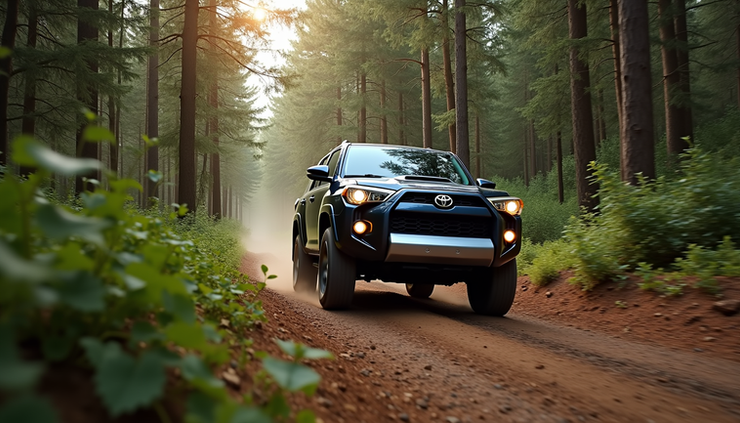
The Toyota 4Runner is often seen as the benchmark for midsize SUVs with off-road prowess and long-term reliability. It has a loyal following and a track record of vehicles lasting well beyond 300,000 miles.
Engine and Performance
The 4Runner comes with a 4.0-liter V6 engine as well, producing about 270 horsepower and 278 lb-ft of torque. This engine is similar in power to the Xterra’s but is paired with a 5-speed automatic transmission that is known for smooth shifting and durability.
Longevity and Reliability
Toyota’s reputation for reliability is strong, and the 4Runner benefits from this. Many owners report minimal issues even after 200,000 miles. The 4Runner’s body-on-frame design and solid build quality contribute to its long lifespan.
Maintenance Costs
Maintenance on the 4Runner tends to be slightly higher than the Xterra, mainly due to Toyota parts pricing and some more complex systems in newer models. However, the difference is not drastic.
Interior and Features
The 4Runner generally offers a more refined interior with better materials and more modern features, especially in recent models. The Xterra focuses more on rugged utility than luxury.
Which SUV Is the Better Investment?
When deciding between the Nissan Xterra and Toyota 4Runner, consider the following:
Longevity: The 4Runner has a slight edge with many examples surpassing 300,000 miles. The Xterra can also last long but may require more attention as it ages.
Performance: Both SUVs offer similar power with their 4.0-liter engines. The 4Runner’s transmission is often praised for smoothness, while the Xterra’s manual option appeals to enthusiasts.
Maintenance: The Xterra is generally cheaper to maintain but may face parts availability issues due to discontinuation. The 4Runner’s maintenance costs are higher but parts are widely available.
Features and Comfort: The 4Runner offers a more comfortable and feature-rich experience, making it better for daily driving and family use. The Xterra is more utilitarian and rugged.
If your priority is a vehicle that can last decades with minimal fuss and offers a comfortable ride, the Toyota 4Runner is likely the better choice. For those who want a tough, no-nonsense SUV with solid off-road capability and lower maintenance costs, the Nissan Xterra remains a strong contender.


Comments