
Navigating Car Repairs Today vs 15 Years Ago: Are New Parts Harder to Find and Are Older Cars Better?
Car repairs have changed a lot over the past 15 years. For many car enthusiasts and everyday drivers, the question arises: is it harder to fix cars today compared to 15 years ago? Are parts more compact and difficult to access? Is there really a shortage of new parts, and why does it seem like everything is on back order? Also, how do older cars like the Nissan Skyline GTR, Pontiac Firehawk, and Mazda RX7 compare to modern vehicles when it comes to maintenance and repair? This post explores these questions with practical insights and examples.
How Car Repairs Have Changed Over 15 Years
More Compact and Complex Designs
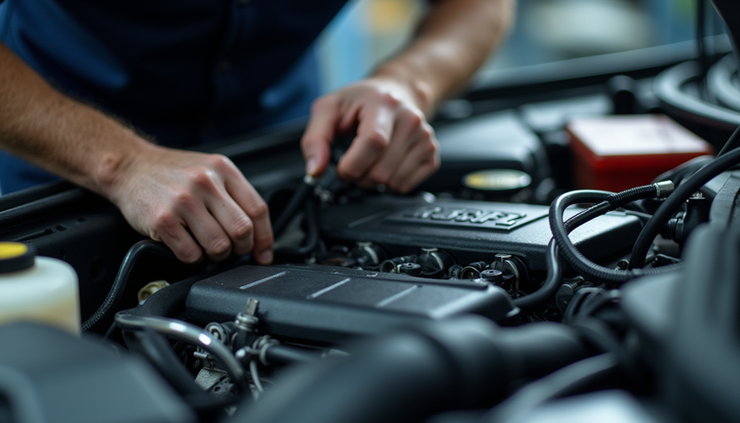
One of the biggest changes in car repairs today is the compactness of engine bays and the complexity of components. Modern cars are designed to meet strict emissions, safety, and fuel efficiency standards. This means parts are often smaller, tightly packed, and integrated with electronic systems.
Tight engine bays make it harder to reach certain components without removing others.
Electronic controls require specialized diagnostic tools to identify issues.
Modular parts sometimes mean replacing entire assemblies instead of individual components.
Fifteen years ago, engines were generally more spacious and simpler. Mechanics could often access parts directly and perform repairs with basic tools. Today, the complexity demands more time, skill, and equipment.
Increased Use of Electronics and Sensors
Modern vehicles rely heavily on sensors and computer modules. This adds layers of complexity to repairs:
Diagnosing problems requires scanning for error codes.
Some repairs involve software updates or reprogramming.
Electronic failures can mimic mechanical issues, complicating troubleshooting.
Older cars like the Mazda RX7 or Pontiac Firehawk had fewer electronic systems, making repairs more straightforward. The Nissan Skyline GTR, especially earlier models, also had simpler electronics compared to today’s cars.
Are New Car Parts Harder to Find?
Supply Chain Challenges and Back Orders
Many car owners today face delays when ordering new parts. Several factors contribute to this:
Global supply chain disruptions have affected manufacturing and shipping.
Increased demand for parts due to a growing number of vehicles on the road.
Limited production runs for certain models or parts, especially performance or specialty items.
For example, parts for older models like the Nissan Skyline GTR or Mazda RX7 can be scarce because they are no longer in production. This scarcity drives up prices and wait times.
OEM vs Aftermarket Parts
Original Equipment Manufacturer (OEM) parts are often preferred for quality and fit but can be expensive and harder to find. Aftermarket parts offer alternatives but vary in quality.
Some aftermarket suppliers focus on popular older cars, helping owners maintain classics.
For newer cars, aftermarket parts may lag behind OEM availability.
Impact on Repair Costs and Time
The difficulty in sourcing parts means repairs can take longer and cost more. Mechanics may need to order parts from overseas or find used components, especially for discontinued models.

Are Older Cars Better Than New Cars for Repairs?
Simplicity and Accessibility
Older cars like the Pontiac Firehawk and Mazda RX7 are often praised for their mechanical simplicity. This makes them easier to work on for DIY enthusiasts and mechanics alike.
Fewer electronic systems reduce diagnostic complexity.
Larger engine bays provide better access to components.
Many parts are mechanical and can be repaired or rebuilt rather than replaced.
Parts Availability for Classic Models
While some parts for older cars are scarce, many aftermarket companies specialize in classic and performance vehicles. Enthusiast communities also help source rare parts or fabricate replacements.
For example, the Nissan Skyline GTR, especially the R32 and R34 models, has a strong aftermarket support.
The Pontiac Firehawk, a performance version of the Firebird, has a dedicated following that helps keep parts circulating.
Mazda RX7 owners benefit from a mix of OEM, aftermarket, and used parts markets.
Modern Cars Offer Advanced Features but at a Cost
New cars come with advanced safety, comfort, and performance features. However, these features add complexity and cost to repairs.
Repairing a modern car often requires specialized tools and training.
Some repairs may only be possible at authorized dealerships.
Warranty coverage can help but may limit where and how repairs are done.
Practical Tips for Car Owners Today
For Owners of Newer Cars
Keep up with regular maintenance to avoid complex repairs.
Build a relationship with a trusted mechanic familiar with your car’s make and model.
Use diagnostic tools or apps to monitor your vehicle’s health.
Order parts early if you know a repair is coming.
For Owners of Older or Classic Cars
Join enthusiast groups or forums for advice and parts sourcing.
Consider stocking up on common wear parts.
Learn basic repair skills to handle simple jobs yourself.
Use reputable aftermarket suppliers to find quality parts.

Final Thoughts on Car Repairs Today vs 15 Years Ago
Fixing cars today is generally more challenging than it was 15 years ago due to tighter packaging, advanced electronics, and supply chain issues affecting parts availability. New parts can be harder to find and often come with longer wait times. Older cars like the Nissan Skyline GTR, Pontiac Firehawk, and Mazda RX7 offer simpler mechanics and sometimes easier repairs, but parts scarcity can be a hurdle.
Car owners should weigh the benefits of modern technology against the ease of maintaining classic vehicles. Staying informed, planning ahead, and connecting with knowledgeable communities can make car repairs less frustrating no matter the vehicle’s age.


Comments