
How Much Can You Save Restoring a Lexus or Mercedes Benz Battery
A weak battery in a Lexus or Mercedes-Benz can turn a smooth luxury ride into a stressful guessing game. One day the car starts slowly. The next day the dashboard lights up. Then comes the quote for a replacement battery, and it may be much higher than expected.
The question is simple: do you really need to replace the battery, or can it be repaired or restored?
For many owners, battery restoration can be a way to save money, reduce waste, and get more life from a battery that is not completely dead yet. It will not fix every battery, and it is not the right answer in every situation. But when it works, the savings can be meaningful, especially on a luxury car, SUV, or truck.
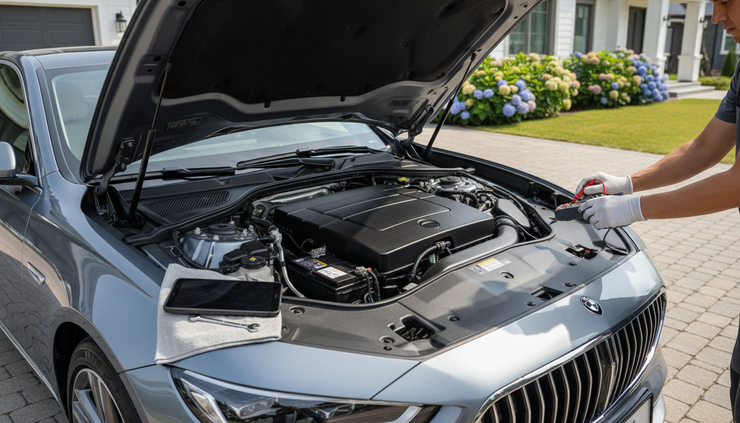
Why luxury car batteries can cost more than expected
A battery is a battery, right?
Not always.
Many Lexus and Mercedes-Benz vehicles use batteries that are larger, more powerful, or more specialized than the basic battery found in an older economy car. Some models also have more electronics that depend on steady voltage. That can include:
Power seats
Infotainment screens
Security systems
Advanced lighting
Air suspension systems
Start-stop systems
Driver assistance features
Comfort modules that stay active after shutdown
When the battery gets weak, those systems may act strangely before the car refuses to start. Warning lights may appear. The clock may reset. The keyless entry may work only sometimes. The car may crank slowly, or it may not crank at all.
The cost to replace the battery depends on the model, battery type, labor, programming needs, and where the work is done. A basic 12-volt battery usually costs far less than a hybrid or electric vehicle battery pack. A dealer replacement may also cost more than an independent shop or a do-it-yourself battery swap.
For a luxury vehicle, the real cost is often more than the sticker price of the battery. You may also pay for:
Diagnostics
Labor
Battery registration or coding on certain models
Disposal fees
Towing if the car will not start
Higher dealer parts pricing
That is why many owners ask about restoring the battery before paying for a full replacement.
Know which battery you are dealing with
Before talking about savings, it helps to separate the main battery types.
Standard 12-volt battery
This is the battery that starts the engine and powers many accessories. Most gasoline Lexus and Mercedes-Benz vehicles use a 12-volt battery. Diesel models, performance models, and vehicles with heavy electronics may require a stronger battery.
Common types include flooded lead-acid, AGM, and sometimes gel batteries. AGM batteries are common in many modern luxury vehicles because they handle power demands better than traditional flooded batteries.
A 12-volt battery is the most common target for restoration or reconditioning methods.
Auxiliary battery
Some Mercedes-Benz models and some newer vehicles have an auxiliary battery in addition to the main battery. This smaller battery may support electronics, start-stop systems, or backup functions.
If the auxiliary battery fails, the car may still start, but warning messages can appear. Restoration may or may not be practical depending on the battery design and condition.
Hybrid battery
Many Lexus models, such as hybrid sedans and SUVs, use a high-voltage hybrid battery pack. Some Mercedes-Benz models also use hybrid systems.
These batteries are very different from a 12-volt battery. They require special knowledge, tools, and safety steps. A hybrid battery can sometimes be repaired by replacing weak modules, balancing cells, or reconditioning the pack, but this is not the same as restoring a normal car battery.
EV battery pack
A full electric luxury vehicle uses a large high-voltage battery pack. This is not a casual do-it-yourself job. Repairs should be handled by qualified technicians with the right equipment.
If the battery is high voltage, treat it seriously. Do not open, test, or repair it without proper training.
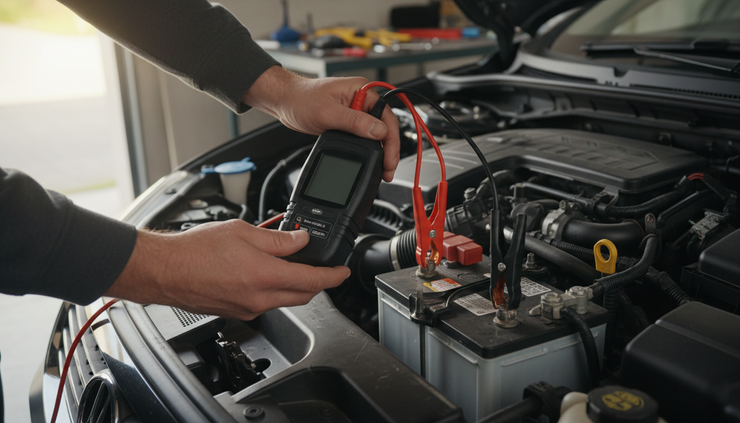
What battery restoration actually means
Battery restoration, sometimes called battery reconditioning, is the process of trying to bring back some lost performance in a weak battery. The approach depends on the battery type and the problem.
For lead-acid batteries, poor performance is often linked to sulfation. Sulfation happens when lead sulfate crystals build up on the battery plates. This can reduce the battery’s ability to hold a charge. Some restoration methods try to reduce this buildup through controlled charging, testing, cleaning, and maintenance steps.
That does not mean every weak battery can be saved. A battery with physical damage, a shorted cell, severe corrosion, swelling, leaking acid, or internal failure should be replaced.
A restoration guide or program such as EZ Battery Restoration is usually aimed at helping owners understand how to test batteries, identify candidates for restoration, and follow a step-by-step process. The key is to use it with realistic expectations.
Battery restoration may help when:
The battery is weak but not completely destroyed
The battery still accepts some charge
The case is not cracked, swollen, or leaking
The terminals can be cleaned
The battery has lost capacity from age or sulfation
The vehicle has not been sitting dead for an extremely long time
Battery restoration is not a good choice when:
The battery is leaking
The case is damaged
The battery smells like rotten eggs
The battery gets very hot while charging
A cell is shorted
The car has high-voltage battery faults
Safety equipment is missing
You are unsure what type of battery you have
The biggest mistake is treating restoration like magic. It is not. It is a practical maintenance method that can work in the right situation.
How much can you save?
The exact savings depend on the vehicle, the battery, and whether restoration works. But the basic math is easy.
If a replacement battery plus labor costs a few hundred dollars, and a restoration method costs much less, the savings may be real if the battery comes back to usable condition. If the battery fails again right away, replacement may still be needed.
For a larger battery, AGM battery, auxiliary system, hybrid repair, or dealer-installed replacement, the potential savings can be higher. Luxury vehicles often carry higher parts and service costs, so extending battery life by even several months can have value.
Here is a simple way to compare your options.
Option | Typical situation | Possible savings |
Restore the existing 12-volt battery | Battery is weak but still charges | Can reduce or delay replacement cost |
Replace with an aftermarket battery | Battery is beyond recovery | Often less than dealer-installed replacement |
Replace at the dealer | Vehicle needs coding, warranty support, or exact OEM service | Usually convenient, often higher cost |
Repair a hybrid battery pack | One or more modules are weak | May cost less than full pack replacement |
Replace a hybrid battery pack | Pack has broad failure or severe age-related decline | Higher cost, but may be the most reliable fix |
The phrase How Much Can You Save Restoring a Lexus or Mercedes Benz Battery really comes down to one question: is the battery still a good candidate for recovery?
If the answer is yes, restoration may help avoid paying for a replacement right away. If the answer is no, proper replacement is the better investment.
A simple savings example
Imagine a Lexus or Mercedes-Benz owner has a weak 12-volt AGM battery. The car still starts, but slowly. The battery tester says the charge is low and the cranking power is weak.
The owner has three choices.
Replace immediately
Test and restore first
Fast, simple, and reliable, but it may cost more than needed if the battery can recover.
Lower upfront cost, but it takes time and may not work if the battery is too far gone.
If restoration brings the battery back to reliable use, the owner may delay a replacement and keep hundreds of dollars available for other maintenance. If the battery fails testing after restoration, the owner still has useful information and can replace it with confidence.
Now think about a hybrid Lexus battery. Full replacement can be a major repair. In some cases, rebuilding or repairing a pack may cost less than replacing the whole unit. But this must be done safely by someone who knows hybrid systems. The savings can be larger, but so is the risk if the work is done wrong.
The best savings come from making the right decision early, before a weak battery strands the vehicle or damages other parts.
Signs your battery may be restorable
A battery that is weak is not always dead. These signs may point to a battery that is worth testing before replacement:
The vehicle starts slowly but still starts
The battery is only a few years old
The car sat unused for a few weeks or months
The terminals have visible corrosion
The battery was discharged by lights or accessories
The battery charger shows that it still accepts a charge
A test shows reduced capacity but no shorted cell
A luxury vehicle can be extra sensitive to low voltage. That means the car may show strange warnings even when the battery is only partly weak. Testing matters because it separates a real battery failure from a low-charge condition.
Do not guess based only on dashboard messages. A battery, alternator, starter, ground cable, or control module can all cause electrical symptoms. Start with the battery, but do not stop there if the problem continues.
When replacement is the smarter choice
Restoration can save money, but safety and reliability come first. Replace the battery if it shows clear signs of failure.
Warning signs include:
Cracked or swollen battery case
Acid leaking around the battery
Heavy corrosion that keeps coming back
Battery will not hold any charge
Very low voltage after charging
Burning smell or rotten egg smell
Battery gets hot while charging
Repeated no-starts after testing and charging
A luxury car that is driven daily needs a dependable battery. If the battery is failing again and again, restoration may only delay the inevitable. At that point, replacement protects the vehicle and prevents more headaches.
For vehicles with start-stop technology, always install the correct battery type. Replacing an AGM battery with the wrong type can shorten battery life and create electrical problems. Some vehicles also need battery registration after replacement so the charging system knows a new battery has been installed.
Skipping that step can cause overcharging, undercharging, or early battery failure.
Safety matters before savings
Battery work is not complicated in every case, but it is not risk-free. Lead-acid batteries contain acid and can release explosive gases. High-voltage hybrid and EV batteries can be dangerous or deadly if handled without training.
Before trying any battery restoration method:
Wear eye protection and gloves
Work in a ventilated area
Keep sparks and flames away
Use the correct charger for the battery type
Confirm battery polarity before connecting cables
Follow the vehicle owner’s manual
Do not open sealed batteries unless the method specifically applies and you understand the risks
Leave high-voltage batteries to qualified technicians
This content is for general information only. If you are unsure, get help from a qualified mechanic or battery specialist.
How to decide if EZ Battery Restoration makes sense
A battery restoration guide can be useful if you like do-it-yourself maintenance and want to understand how batteries work. It may help you avoid replacing a battery too soon. It may also help with other batteries around the home, such as lawn equipment, motorcycles, boats, or backup batteries, depending on the guide’s instructions.
EZ Battery Restoration may make sense if:
You want to test before buying a new battery
You have basic tools and a safe workspace
You are comfortable following step-by-step instructions
You understand that results are not guaranteed
You want to reduce waste by extending battery life when possible
It may not be the right path if:
You need the vehicle fixed immediately
The battery is leaking or physically damaged
You do not want to handle batteries
Your vehicle has a high-voltage battery issue
You prefer dealer service for warranty or coding reasons
The smartest approach is to treat restoration as a first step, not a promise. Test the battery, follow the process carefully, and then decide whether the result is strong enough to trust.
The real value is avoiding unnecessary replacement
The biggest savings are not always from making an old battery last forever. The real value comes from avoiding a replacement when the battery still has usable life left.
That matters with Lexus and Mercedes-Benz vehicles because diagnosis and replacement can cost more than expected. A weak battery may trigger warning lights that look expensive. A simple voltage problem can feel like a major electronic failure.
Restoring or reconditioning the battery can help answer an important question: is this battery truly finished?
If restoration works, you save money and delay replacement. If it does not, you know the battery needs to go. Either outcome is better than guessing.
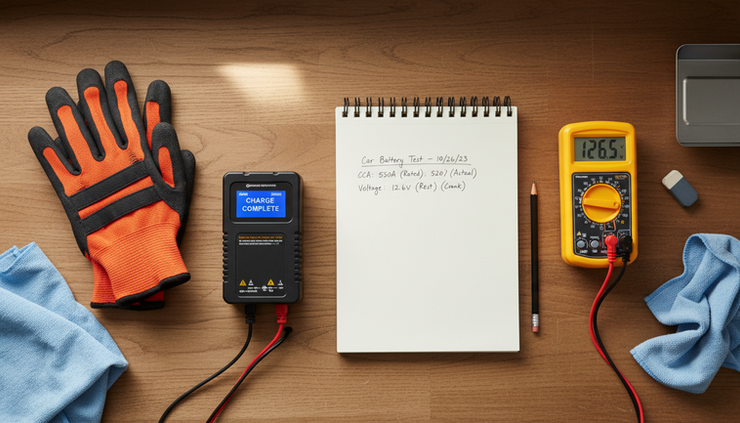
What to do next
If your Lexus or Mercedes-Benz has a weak battery, do not rush into the most expensive option. Start with a proper test. Check the battery type. Look for safety problems. Confirm whether the vehicle needs coding or registration after replacement.
Then compare the cost of restoration with the cost of replacement.
A restorable battery may save you a meaningful amount, especially if the alternative is dealer service or a high-priced battery. A damaged or unsafe battery should be replaced without delay.
Battery restoration is not a cure for every problem, but it can be a smart way to spend less, waste less, and make a better decision before buying a new battery. https://8d6c16qcog30by89czjd6c5q4g.hop.clickbank.net


Comments