
How Long Can You Really Expect a Ford F-150 With a 3 5 EcoBoost to Last
When you buy a new Ford F-150 with the 3.5 EcoBoost engine, one of the first questions on your mind is probably: how long will this truck last? Many owners hope for a vehicle that can run reliably for hundreds of thousands of miles. But the reality is more complicated. Most Ford F-150 trucks with the 3.5 EcoBoost engine tend to last between 100,000 and 200,000 miles. This range reflects a balance between engineering, maintenance, and the business model of vehicle manufacturing.
This post explores why this lifespan is typical, what factors influence it, and how it compares to other brands like Chevy and Chrysler. Understanding these points will help you make informed decisions about buying, maintaining, and eventually replacing your truck.
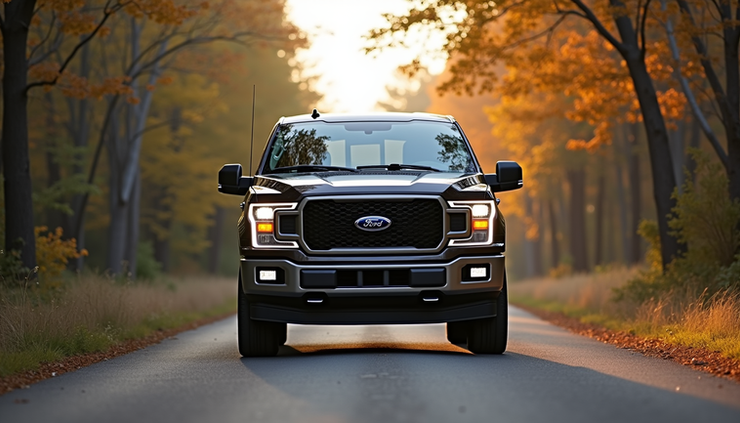
Why Ford F-150 Trucks Usually Last 100,000 to 200,000 Miles
Ford designs the F-150 to be a durable and capable truck, but it is also a product made within a business framework. The typical lifespan of 100,000 to 200,000 miles is not just about engineering limits; it reflects the balance between durability and profitability.
Engineering and Materials: The 3.5 EcoBoost engine is a turbocharged V6 designed for power and efficiency. It uses modern materials and technology that can last a long time if maintained properly. However, turbocharged engines often require more careful maintenance than naturally aspirated engines.
Maintenance Requirements: Regular oil changes, timely repairs, and proper use can extend the truck’s life closer to the upper end of the range. Neglecting maintenance can shorten it significantly.
Business Model Considerations: Automakers, including Ford, design vehicles with planned lifespans that encourage customers to buy new models every 8 to 15 years. Selling trucks that last 300,000 to 500,000 miles is not in their financial interest because it reduces repeat sales.
Wear and Tear: Trucks like the F-150 are often used for heavy-duty tasks, which accelerates wear on components like the engine, transmission, suspension, and brakes.
This combination of factors means that while some F-150s can exceed 200,000 miles, many will require significant repairs or replacement by that point.
How Maintenance Affects the Lifespan of the 3.5 EcoBoost Engine
The 3.5 EcoBoost engine is powerful but sensitive to maintenance habits. Owners who follow recommended service schedules and use quality parts can expect better longevity.
Oil Changes: Turbocharged engines run hotter and need frequent oil changes with high-quality synthetic oil to prevent damage.
Cooling System: Keeping the cooling system in good shape prevents overheating, which can cause engine failure.
Turbocharger Care: The turbocharger needs proper warm-up and cool-down periods to avoid premature wear.
Transmission Service: Regular transmission fluid changes help avoid costly transmission repairs.
Fuel Quality: Using recommended fuel grades prevents knocking and engine damage.
Ignoring these maintenance steps can reduce the truck’s lifespan closer to or below 100,000 miles.
Comparing Ford F-150 Lifespan to Chevy and Chrysler Trucks
Ford is not unique in balancing vehicle lifespan with business interests. Chevy and Chrysler trucks show similar patterns.
Chevy Trucks: Like Ford, Chevy trucks often last between 100,000 and 200,000 miles. They also use turbocharged engines in some models, which require similar maintenance.
Chrysler Trucks: Chrysler’s offerings tend to have comparable lifespans, with many owners reporting reliable use up to 150,000 miles or more.
Long-Term Survivors: While some trucks from these brands reach 300,000 miles or beyond, these are exceptions often involving meticulous maintenance and sometimes engine rebuilds.
This similarity across brands reflects industry-wide strategies rather than isolated design choices.

Signs Your Ford F-150 May Be Approaching the End of Its Lifespan
Knowing when your truck is nearing the end of its reliable life can save you from unexpected breakdowns and costly repairs. Watch for these signs:
Frequent Repairs: If you find yourself fixing the engine, transmission, or suspension often, the truck may be wearing out.
Decreased Performance: Loss of power, rough idling, or poor fuel economy can indicate engine problems.
Fluid Leaks: Oil, coolant, or transmission fluid leaks often signal aging seals and gaskets.
Rust and Frame Damage: Structural issues can compromise safety and are costly to fix.
Warning Lights: Persistent check engine or transmission warning lights should not be ignored.
If you notice these signs, it may be time to evaluate whether to invest in repairs or consider a replacement.
How to Maximize the Life of Your Ford F-150 3.5 EcoBoost
You can extend the life of your truck well beyond the average by following these practical tips:
Stick to the Maintenance Schedule: Follow Ford’s recommended service intervals for oil changes, filter replacements, and inspections.
Drive Smoothly: Avoid aggressive acceleration and heavy towing beyond the truck’s rated capacity.
Use Quality Parts and Fluids: Genuine or high-quality aftermarket parts help maintain engine health.
Store Properly: Protect your truck from extreme weather and rust by parking in a garage or using covers.
Regular Inspections: Catch small issues early before they become major repairs.
These steps can push your F-150’s lifespan closer to 200,000 miles or more.

Final Thoughts on Ford F-150 3.5 EcoBoost Longevity
The Ford F-150 with the 3.5 EcoBoost engine is a strong, capable truck that typically lasts between 100,000 and 200,000 miles. This range reflects a mix of engineering, maintenance, and the reality of the automotive business model. While some trucks can last longer, most owners will find that the truck’s reliability declines after this mileage range.


Comments