
Best Used Car Years Brands and Budget for Reliable Cheap to Maintain Cars
A cheap used car is only a good deal if it stays cheap after you buy it. The purchase price is just the first bill. Repairs, tires, insurance, fuel, registration, and surprise problems can turn a “deal” into a money pit fast.
The smartest used car purchase usually comes down to four things:
Buying the right model years
Choosing brands with simple, common parts
Keeping enough cash for repairs after the sale
Judging condition more than mileage alone
This guide breaks down the best used car years, the brands that tend to be easiest and cheapest to keep on the road, how much money to set aside, and how long a good used car can realistically last.

The best used car years are usually 5 to 10 years old
For most buyers, the best value sits in the 5 to 10 year old range. In 2026, that generally means looking at model years from about 2016 to 2021.
Cars in this range are old enough to have lost a big chunk of their original price, but not so old that age-related problems are guaranteed. Many still have modern safety features, decent fuel economy, and parts that are easy to find.
A 3-year-old car can be great, but it often still costs a lot. A 15-year-old car can be reliable, but rubber parts, seals, suspension pieces, sensors, and electronics may start failing from age, even if the mileage looks low.
A good rule:
Used car age | What to expect |
1 to 3 years old | Lower repair risk, higher purchase price |
4 to 7 years old | Strong mix of value, features, and reliability |
8 to 12 years old | Best prices, but condition matters much more |
13 years or older | Can be great, but budget for repairs right away |
The sweet spot for a daily driver is often 2016 to 2020, depending on the specific model. These cars are old enough to be affordable but new enough to avoid many problems that come with age.
Avoid the first year of a redesign when possible
Not all model years are equal. A car company may sell the same model name for decades, but the design changes every few years.
The first year after a full redesign can bring new engines, transmissions, electronics, and body parts. Sometimes those changes work well. Sometimes buyers become the test group.
If a model was redesigned in 2018, the 2019 or 2020 version may be the safer bet because the manufacturer had time to fix early problems.
This does not mean every first-year redesign is bad. It just means that if reliability and cheap repairs are the goal, the safer play is usually to buy a model year after the bugs have been worked out.
The most reliable used car brands are common, simple, and well supported
The best cheap-to-maintain cars are not always the flashiest. They are usually boring in the best way. They sold in large numbers, mechanics know them well, parts are easy to get, and many repairs can be done without special tools.
Toyota is usually the safest used car bet
Toyota has one of the strongest reputations for long-term reliability. Models like the Corolla, Camry, Prius, RAV4, and Highlander are popular because they can last a long time with basic maintenance.
Toyota parts are widely available. Many independent shops work on them every day. There is also a huge amount of repair information online, which helps if you want to fix smaller issues yourself.
Best Toyota picks for low-cost ownership:
Corolla
Camry
Prius
RAV4
Matrix, if you can find a clean one
Highlander
The tradeoff is price. Used Toyotas often cost more than similar cars from other brands because demand is high. Still, the higher purchase price can make sense if it saves you from major repairs later.
Honda is also strong, especially for simple daily drivers
Honda is another top choice for reliable used cars. The Civic, Accord, Fit, CR-V, and HR-V are common, efficient, and usually easy to service.
Honda engines are known for lasting a long time when maintained. Parts are easy to find, and many repairs are DIY-friendly.
Best Honda picks:
Civic
Accord
Fit
CR-V
HR-V
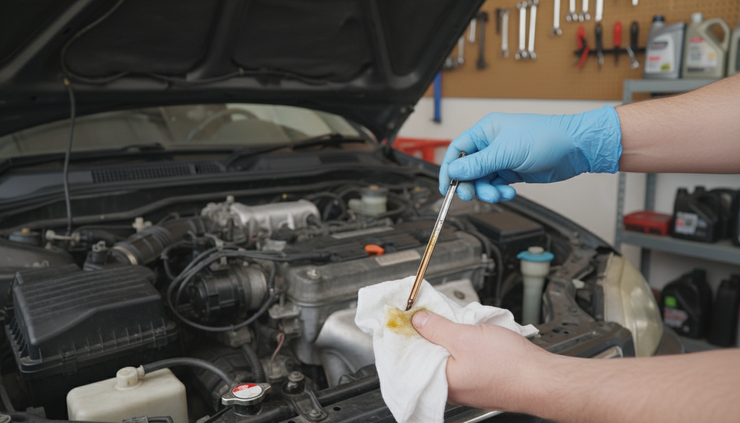
Watch for neglected maintenance. Hondas can last, but they do not like being ignored. Check oil change history, transmission service, coolant service, and timing belt replacement if the engine uses one.
Mazda can be a smart value buy
Mazda often gives you a good mix of reliability, driving feel, and price. Used Mazdas can sometimes cost less than comparable Toyotas or Hondas while still being dependable.
Good used Mazda models include:
Mazda3
Mazda6
CX-5
CX-30
Mazda is especially worth looking at if you want a compact car or small SUV. Maintenance is usually reasonable, and many models use durable, straightforward engines.
Ford and Chevrolet can be cheap to repair if you choose carefully
Domestic brands can be a good value, especially if you buy common models. Parts for many Ford and Chevrolet vehicles are easy to find, and almost every mechanic can work on them.
Good examples to consider:
Ford Fusion with the right engine
Ford Escape, depending on year and engine
Chevrolet Malibu
Chevrolet Impala
Chevrolet Equinox, carefully inspected
Ford F-150
Chevrolet Silverado
Trucks are a special case. A used F-150 or Silverado can be very durable, and parts are everywhere. But trucks are often expensive because demand is high. They may also have been used for towing, hauling, work sites, or hard driving.
If you need a truck, buy based on condition and service records. If you do not need a truck, a sedan or small SUV will usually cost less to buy, fuel, insure, and repair.
Subaru can be good, but inspect it closely
Subaru has a loyal following, especially in areas with snow. The Outback, Forester, Crosstrek, and Impreza offer all-wheel drive and practical interiors.
They can be reliable, but they are not always the cheapest to maintain. All-wheel drive adds parts. Some older Subaru engines had known head gasket concerns. Tire matching also matters because mismatched tires can stress the drivetrain.
A used Subaru can be a great buy if it has:
Complete service records
Matching tires with even tread
No oil leaks
A clean cooling system
A careful pre-purchase inspection
Brands to approach carefully if cheap maintenance is the goal
Some brands and models can be good cars but still poor choices for a tight repair budget.
Be careful with:
Older German luxury cars
High-mileage turbocharged cars with poor service records
Used luxury SUVs
Rare models with hard-to-find parts
Vehicles with known transmission issues
Cars with salvage or rebuilt titles
BMW, Mercedes-Benz, Audi, Volvo, and similar brands may be excellent when new, but they often cost more to maintain as used cars. The same is true for luxury models from any brand. A cheap luxury car can still have luxury repair bills.
The best used cars to fix yourself have space, parts, and simple systems
If you want to do your own repairs, avoid overly complex vehicles. The best DIY cars have common engines, simple layouts, and lots of repair videos, manuals, and forum posts.
Good DIY-friendly traits include:
Naturally aspirated engine instead of turbo
Regular automatic transmission instead of a trouble-prone CVT
Easy access under the hood
Common tire sizes
Common brake parts
No air suspension
No complicated luxury electronics
No rare engine option
A Toyota Corolla, Honda Civic, Mazda3, or Ford Fusion is usually easier to live with than a used luxury sedan with special electronics and tight engine access.
The cheapest repair is the one you can avoid with simple maintenance. Oil changes, coolant service, brake fluid, transmission fluid, tires, and filters matter more than most upgrades.
Before buying any used car, search the exact year, make, model, and engine. Look for common problems. If every result talks about the same transmission failure, oil burning, or electrical issue, pay attention.

How much money should you have to buy a good used car?
For a reliable used car in the United States, a realistic cash budget is often around $10,000 to $18,000. You can find cars for less, but below that range, condition becomes much more important and repairs become more likely.
A simple budget guide:
Budget | What it usually buys |
Under $5,000 | Older, higher-mileage cars that likely need work |
$5,000 to $8,000 | Possible decent car, but inspection is critical |
$8,000 to $12,000 | Better chance of a reliable older compact or sedan |
$12,000 to $18,000 | Strong range for a good used daily driver |
$18,000 to $25,000 | Newer used cars, often with better safety features |
The price of used cars changes by location, season, fuel prices, and demand. Trucks, SUVs, hybrids, and Toyotas often cost more. Sedans can be better values because many shoppers prefer SUVs.
Keep repair money separate from the purchase price
Do not spend every dollar on the car itself. Keep a repair fund ready.
A smart used car budget includes:
Purchase price
Sales tax
Title and registration
Insurance
Pre-purchase inspection
Immediate maintenance
Emergency repair fund
If possible, keep $1,500 to $3,000 available after the purchase. That money can cover tires, brakes, a battery, fluids, belts, sensors, or surprise repairs.
A $12,000 car with $2,000 left over is often safer than a $14,000 car that drains your account.
Always pay for a pre-purchase inspection
A pre-purchase inspection is one of the best uses of money when buying used. A good mechanic can check for leaks, worn suspension, brake condition, rust, engine codes, accident signs, and hidden problems.
This is especially important when buying from a private seller. Dealers inspect cars too, but their goal is to sell the vehicle. Your mechanic works for you.
If a seller refuses an inspection, walk away. A good car should be able to handle a basic independent check.
How long can a used car last?
A well-maintained used car can last 150,000 to 200,000 miles without being unusual. Many Toyotas, Hondas, Mazdas, and full-size domestic trucks go beyond that when cared for well.
Mileage alone does not tell the whole story. A 120,000-mile car with service records can be a better buy than an 80,000-mile car that missed oil changes.
Maintenance matters more than the badge
Even the most reliable brand can fail early if the owner ignored it. Before buying, look for proof of regular service.
Good signs include:
Oil changes done on time
Transmission service when recommended
Clean coolant
Good tires with even wear
No warning lights
Smooth shifting
Cold air conditioning
No overheating history
No major rust
Clean title
Bad signs include:
Seller says “it just needs a sensor”
Freshly cleared check engine light
Overheating
Transmission slipping
Heavy rust underneath
Mismatched body panels
Burning oil smell
No records at all
Very cheap price compared with similar cars
A used car can last for years if you start with a solid vehicle and keep up with maintenance. The goal is not just to buy the lowest-mileage car. The goal is to buy the best-kept car.

The best used car buying formula
If reliability and low cost matter most, use this simple formula:
Buy a common model, from a reliable brand, in a good year range, with maintenance records, after an inspection.
The safest picks for most people are usually compact cars and midsize sedans from Toyota, Honda, and Mazda. If you need all-wheel drive, Subaru can be good with the right inspection. If you need a truck, Ford and Chevrolet pickups are often easier and cheaper to repair than less common choices.
Look hardest at cars around 5 to 10 years old. In 2026, that puts many good options in the 2016 to 2021 range. Older cars can still be great, but only if the condition, records, and inspection results support the purchase.
The smartest move is to buy less car than you can afford and keep money for repairs. A reliable used car is not always the newest, prettiest, or cheapest one on the lot. It is the one with a proven track record, simple parts, and an owner who took care of it before you got there.


Comments